Post Impressions is the total number of times a post appeared in user timelines or feeds. It measures visibility only — it does not confirm that anyone read, clicked, or engaged with the content. Post Impressions is a total count, not a unique count, so the same user seeing a post multiple times generates multiple impressions. It is important to distinguish Post Impressions from Post Reach, which counts unique users only.
Company ABC has 100 followers on Facebook. The company shares a post that appears in each follower's feed twice in one week. The metrics for that week are:
Impressions: 200
Reach: 100
Impressions count the total number of times the post was visible, while reach counts the number of unique users who saw it, regardless of how many times it appeared in each person's feed.
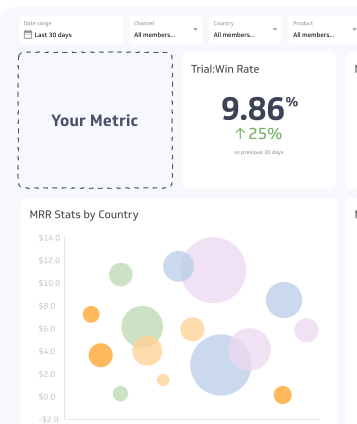
The best data visualization for Post Impressions is a summary chart to measure the current value versus previous time periods.
Post Impressions is the total number of times a post appeared in user timelines or feeds on social media platforms. It measures visibility, not engagement. A post that appears in the same user's feed three times generates three impressions but one instance of reach.
Post impressions vs. post reach
These two metrics are related but distinct. Post reach counts the number of unique users who saw a post. Post impressions counts the total number of times the post appeared, regardless of how many times the same user saw it.
| Metric | What it counts | Unique users only? |
|---|
| Post impressions | Total appearances in feeds or timelines | No |
| Post reach | Unique users who saw the post | Yes |
Why post impressions matter
Impressions tell you how much exposure your content is generating. A high impressions count signals that a post is circulating widely, whether through organic distribution, paid promotion, or resharing activity.
Tracking impressions over time helps you identify which content formats and posting times generate the most visibility. It also helps you evaluate the efficiency of paid campaigns, where impressions directly reflect your ad spend.
How to use post impressions with other metrics
Impressions are most useful when paired with other metrics. Reviewing them in isolation can be misleading.
Impressions and reach: A large gap between impressions and reach means the same users are seeing your post repeatedly. This can indicate strong algorithmic distribution or active resharing.
Impressions and followers: Impressions that far exceed your follower count suggest your content is reaching users beyond your existing audience, often through shares or paid promotion.
Impressions and engagement rate: High impressions with low engagement may indicate the content is appearing in feeds but not resonating. This is a signal to revisit messaging, format, or targeting.
What drives impressions
Several factors influence how many impressions a post accumulates.
Paid promotion: Paid posts are served repeatedly to targeted audiences, which inflates impression counts quickly.
Resharing and engagement: When followers like, comment on, or share a post, it can appear in their connections' feeds, generating additional impressions.
Algorithmic amplification: Platforms prioritize content that generates early engagement, surfacing it to more users and increasing total impressions.
Posting frequency and timing: Publishing when your audience is most active increases the likelihood of initial exposure.
Common challenges with post impressions
Impressions are easy to misread. A high count does not mean a post was effective; it means the post was visible.
Confusing impressions with impact: Visibility does not equal value. Always cross-reference impressions with engagement and conversion data.
Inflated counts from paid campaigns: Paid distribution can make organic content appear to perform better than it does. Segment paid and organic impressions when possible.
Platform differences: Each social media platform defines and counts impressions differently. Avoid direct comparisons across platforms without accounting for these variations.




.jpg)